





Economic Implications Of Advancement Of Women In The Technology Sector (2026 Outlook)


As of 2026, the global tech sector employs about 27 percent of women. Over the last couple of years, there have been incremental increases in women’s representation within this sector. Despite the existing gap, women’s advancement in the technology industry has started producing some economic gains already. The diversification of work teams promotes innovation, new investments start flowing into women-owned firms, and reskilling efforts create employment opportunities for many women. All these benefits go beyond personal gains and positively affect entire economies. According to estimates, by 2030, the advancement of women within this sector may contribute $trillion of growth to global GDP. Thus, one can observe the economic implications of women in technology 2026 outlook.
Increased Innovation Through Gender Diversity
The most important benefit linked to increased diversity among women lies in promoting innovation. Research reveals that businesses whose executives include a diverse group of leaders, at least 30 percent women among them, outperform their counterparts by 25 percent in terms of profits. Gender-diverse founding teams in tech startups also deliver 67 percent higher revenue over five years compared to all-male teams.

Why Diversity Drives Better Results
Why does this happen? Different life experiences lead to fresh ideas. Women bring new ways to solve problems in areas like health apps, education tools, and consumer services. Female-founded companies, for example, often create products that reach wider markets. One well-known analysis found that these companies generate 2.5 times more revenue for every dollar invested than male-founded ones.
Also Read: India’s Leadership In Global Female STEM Enrollment
In short, diversity is not just fair—it drives real business results and faster innovation across the tech sector. Many analysts are now exploring how women’s progress in technology will impact the economy in 2026.
Rising Funding for Women-Led Tech Ventures
Funding for women-led tech ventures has also jumped in recent years, especially in artificial intelligence. In 2025 alone, startups with at least one female founder raised a record 73.6 billion dollars in the United States. Two-thirds of that money went to AI projects. High-profile deals stood out, such as former OpenAI executive Mira Murati raising 2 billion dollars for her new AI company. Women-led venture funds themselves pulled in more than 2 billion dollars.
While most funding still goes to men, the sharp rise shows investors are waking up to the returns. Women-led startups tend to focus on practical solutions that solve everyday needs, which often leads to steady growth and loyal customers. This extra capital creates jobs, builds new companies, and pushes the whole industry forward. As AI becomes central to everything from healthcare to finance, more money flowing to women founders means faster and broader economic gains.
This progress reflects women’s advancement in tech and its effect on the global economy 2026.
The Role of Reskilling Programs
Reskilling programs are another key driver. The tech world changes quickly, and many women already have strong skills in related fields like science, teaching, or business. Targeted training helps them move into high-demand tech roles.

Big companies and governments have launched several initiatives. Microsoft and SAP, for example, run programs that teach thousands of young women AI, cloud computing, and digital marketing. IBM aims to skill up 30 million people worldwide by 2030, with a focus on women and underserved groups. In surveys, 95 percent of women in tech say they would switch to AI-focused jobs if given the right training and support.
Also Read: Men’s Role In Advancing Gender Diversity In Tech
These efforts close skill gaps and bring fresh talent into the workforce. One report from Australia showed that reskilling women into tech could add 6.5 billion dollars in value to businesses alone through higher productivity and new jobs. Scaled globally, such programs multiply the effect by creating a larger, more capable tech workforce ready for the AI era.
Experts also study the projected economic impact of female participation in technology 2026.
Measurable Economic Gains from Women’s Participation in Tech
The combined impact of these changes already shows up in the numbers. When women participate more fully in tech, economies grow faster. The global economy currently loses around 7 trillion dollars each year because of gender inequality in employment. Closing the digital gender gap alone could add 1.5 trillion dollars to world GDP by 2030 and lift 30 million women out of poverty.
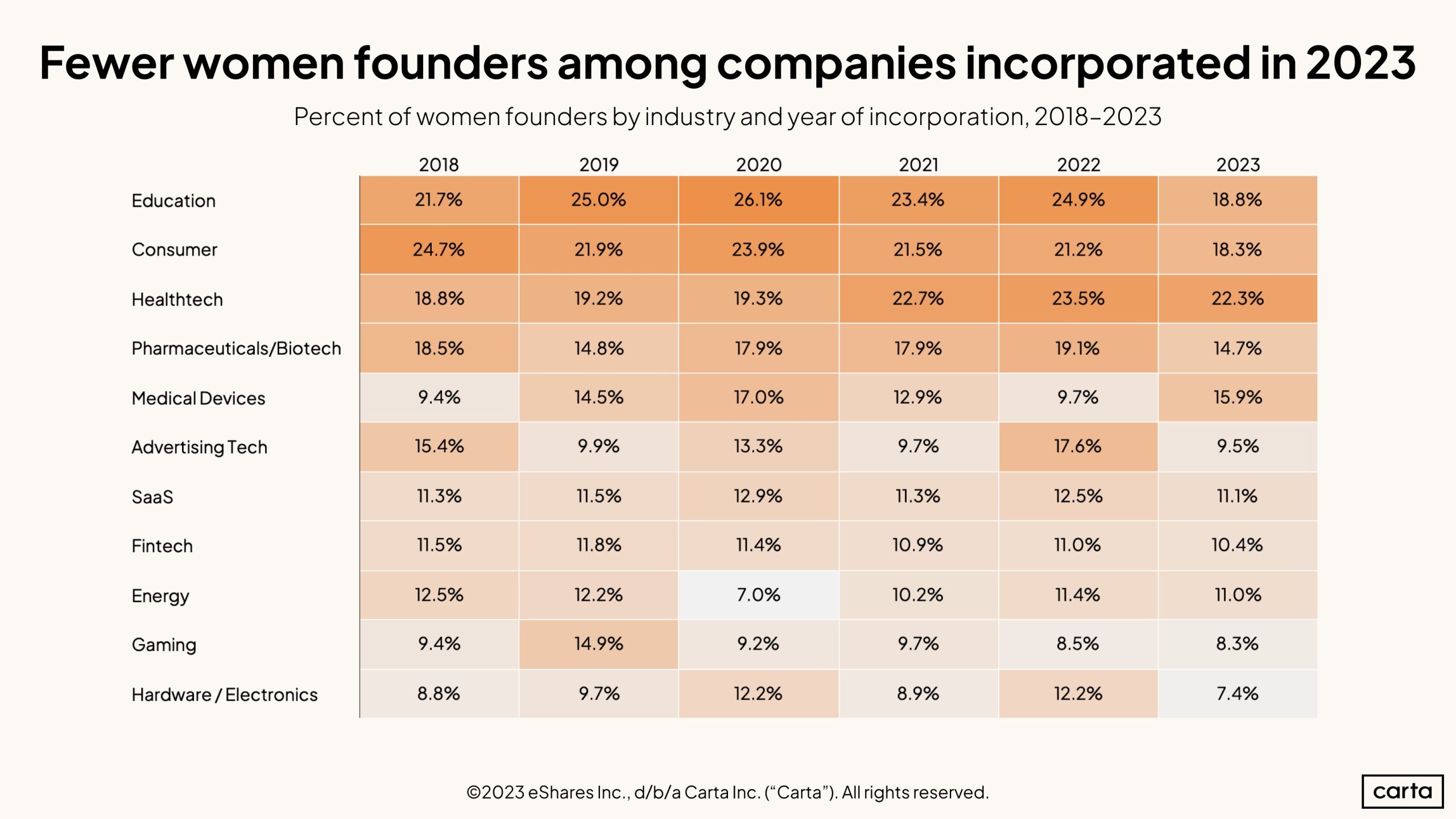
Tech plays a special role here. As the industry powers innovation in every sector, women’s progress in tech multiplies benefits across manufacturing, services, and healthcare. Diverse teams file more patents, launch more successful products, and reach new customers. This creates a cycle: more growth leads to more investment, which leads to even more opportunities.
Also Read: Conferences, Awards & Global Platforms For Amplifying Women In Tech
2030 Outlook: Trillions in Potential GDP Growth
Looking ahead to 2030, the outlook is promising if current momentum holds. Continued support for women in tech—through fair hiring, leadership pipelines, and reskilling—could push global GDP gains well into the trillions. Older estimates from major research groups suggested that full gender parity across the economy could add up to 12 or 13 trillion dollars by 2030.
Tech is a major part of that picture. With AI expected to reshape jobs and industries, women’s involvement ensures the benefits spread widely rather than narrowly. More women in leadership and founding roles would mean stronger companies, higher tax revenues, and better products for everyone. It would also reduce the talent shortage that holds back many tech firms today.
In simple terms, the more women advance in tech, the bigger the economic pie becomes for all.
Remaining Challenges and Positive Momentum
Of course, challenges remain. Women still hold fewer leadership spots, face pay gaps, and leave the industry at higher rates. But the data from 2025 and early 2026 makes one thing clear: progress is already paying off. Investors see the returns. Companies see innovation. Economies see growth.
As reskilling programs expand and funding keeps flowing, the broader economic impact will only grow. By keeping the focus on measurable gains—diverse teams, AI funding, and skill-building—policymakers and business leaders can turn women’s progress in tech into one of the strongest drivers of global prosperity in the coming decade.
The 2026 outlook is not just hopeful. It is backed by real results that point to a much larger payoff by 2030.
Women’s progress in tech continues to shape the future, and the economic impact of women in tech 2026 outlook remains strongly positive as more opportunities emerge.