




Role Of Digital Media And Social Networking Sites For Visibility And Activism Among Female Athletes
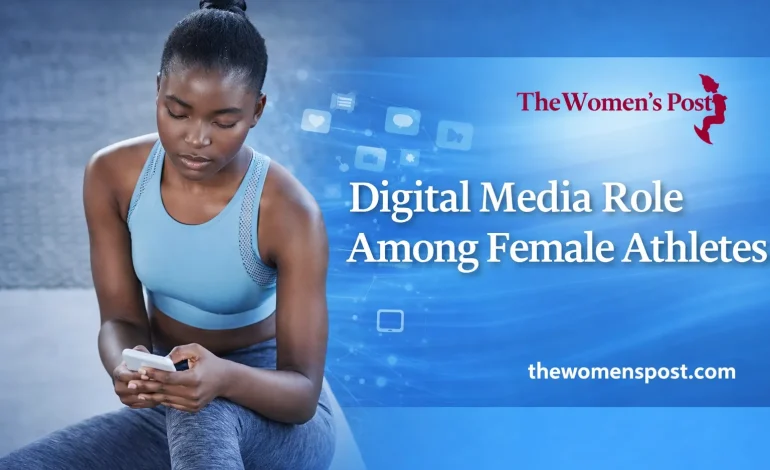

Digital media and social media offer female sportspersons powerful tools that can change the way they acquire visibility, build their careers, and bring about change in society. This changing scenario relates to the world of sportswomen and social media since sportswomen now use the media as a means of narrating their experiences and identities. Unlike the traditional media coverage in sports, which has been giving less attention to female sports, the current use of digital media depicts the manner in which digital media assists female sportswomen in the process of developing their own brand and reaching the audience across the globe.
Increased Visibility and Audience Reach
Also Read: The Evolution Of Women In Sports And The Way Ahead
Female athletes once depended on mainstream sports media to gain recognition. Television networks and sports publications decided which athletes received coverage, and women’s sports typically received only a fraction of the attention given to men’s events, leaving sportswomen and social platforms to fill that gap. Social platforms like Instagram, TikTok, Twitter, and YouTube have changed this landscape dramatically by showing clear ways female athletes use Instagram and Twitter for activism and visibility.
Today, female athletes can bypass traditional gatekeepers and build massive followings independently. They share training videos, behind-the-scenes moments, and personal stories that fans find engaging and authentic, which is a clear example of how digital platforms help women athletes build their personal brand. This direct connection with audiences has made lesser-known athletes into global personalities, demonstrating how online fan communities increase visibility of women’s sports in everyday digital interactions. For example, athletes who might never appear on mainstream sports broadcasts can accumulate millions of followers, generate sponsorship deals, and influence global conversations simply through consistent social media presence, proving again how digital platforms help women athletes build their personal brand.
The reach extends beyond wealthy or established athletes. Young female athletes in developing countries can now showcase their talent to international audiences, relying on sportswomen and social platforms to be discovered. A promising young tennis player from India or an emerging footballer from Brazil can gain exposure that would have been impossible a decade ago, partly because of how online fan communities increase visibility of women’s sports through sharing, commenting, and viral content. This democratization of visibility has created pathways for athletes from underrepresented regions and backgrounds to build careers and inspire others like them, further strengthening the role of social media in promoting women’s sports and gender equality.
Building Personal Brands and Economic Independence
Social media has given female athletes unprecedented control over their personal brands and income sources. In this context, sportswomen and social platforms work together as athletes shape their image, values, and voice in public. Rather than relying solely on team contracts or sponsorships offered by traditional corporations, athletes can create diverse revenue streams, showing in real time how digital platforms help women athletes build their personal brand. They monetize content through platform partnerships, sponsored posts, exclusive fan memberships, and merchandise sales.
This economic independence is particularly significant for female athletes in less-funded sports. A gymnast, swimmer, or track-and-field athlete might earn more from social media sponsorships and content creation than from competing itself, again highlighting how digital platforms help women athletes build their personal brand and financial base. This has encouraged more women to pursue sports professionally, knowing they can build sustainable careers even if their sport receives limited traditional media coverage or prize money.
Athletes also use their platforms to negotiate better deals with brands and organizations. When a female athlete has a large, engaged following, sponsors view her as valuable regardless of traditional sports media coverage, reinforcing how online fan communities increase visibility of women’s sports and shape commercial value. This has shifted power dynamics in favor of athletes, particularly those with authentic, relatable content that resonates with audiences and reflects the role of social media in promoting women’s sports and gender equality.
Activism and Social Justice Advocacy
Also Read: Current Campaigns And Policies To Enhance The Position And Safety Of Women Within Sports Settings
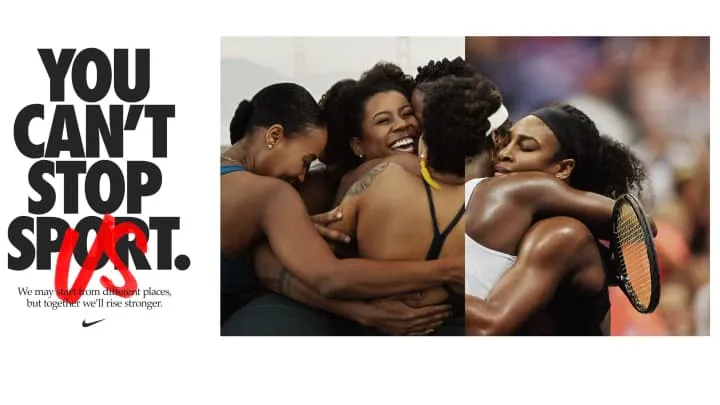
Beyond visibility and economics, social platforms have become stages for activism and social justice. Here, sportswomen and social platforms intersect in powerful ways as athletes use their voices for broader causes. Female athletes use their platforms to raise awareness about gender equality, racial justice, LGBTQ+ rights, mental health, and environmental issues, clearly showing the ways female athletes use Instagram and Twitter for activism.
Athletes like Serena Williams, Megan Rapinoe, and many others have used social media to amplify voices advocating for equal pay in sports. They share information about pay gaps between male and female athletes, organize campaigns, and mobilize fans to support change, which directly shows the role of social media in promoting women’s sports and gender equality. This visibility has forced sports organizations and governments to address long-ignored inequalities and demonstrates how online fan communities increase visibility of women’s sports and related justice movements.
Social platforms also enable female athletes to support each other. They celebrate victories, share resources, provide mental health support, and create communities of solidarity, underscoring how digital platforms help women athletes build their personal brand around both performance and values. During times of crisis or discrimination, female athletes can quickly mobilize online support, drawing global attention to injustices that might otherwise go unnoticed, which is one of the strongest ways female athletes use Instagram and Twitter for activism.
For marginalized female athletes—particularly Black women and LGBTQ+ athletes—social media has been essential for claiming space and challenging systemic discrimination within sports. These athletes use their platforms to discuss experiences with racism, homophobia, and sexism, creating conversations that push sports organizations toward greater inclusivity and deepen the role of social media in promoting women’s sports and gender equality. In many of these cases, sportswomen and social platforms together create a safer and more visible environment for stories that were previously ignored.
Challenges and Risks
However, increased digital visibility comes with serious risks. Female athletes face disproportionate online harassment, including sexism, racist abuse, and body shaming, which is a darker side of the relationship between sportswomen and social platforms. Research shows that women athletes receive more negative comments and objectifying content than their male counterparts on similar platforms, even when they use the same ways female athletes use Instagram and Twitter for activism and sport-related content.
The pressure to maintain an appealing online presence while competing at elite levels creates mental health challenges. Female athletes often feel obligated to constantly post and engage, fearing that reduced online activity will harm their visibility and sponsorship opportunities, especially as how online fan communities increase visibility of women’s sports can also create expectations for constant content. This creates a demanding second job on top of their athletic commitments and complicates how digital platforms help women athletes build their personal brand in a healthy, sustainable way.
Additionally, algorithmic bias on social platforms can limit the reach of women’s sports content. Platforms may prioritize content based on engagement patterns, potentially disadvantaging women’s sports if historical viewing habits favor men’s sports, showing that sportswomen and social platforms do not always benefit equally from the system. Female athletes must work harder to gain algorithmic visibility compared to male counterparts, which affects the overall role of social media in promoting women’s sports and gender equality.
There are also concerns about exploitation and inappropriate content. Female athletes’ images are sometimes used without consent, shared in objectifying contexts, or misrepresented. The line between personal branding and privacy violation can be blurry, especially for younger athletes navigating these platforms, even as they try to use the positive ways female athletes use Instagram and Twitter for activism and connection.
Changing Sports Media Landscape
Also Read: Programs Supporting Women In Sports: Title IX And Khelo India
The impact of social media extends beyond individual athletes. Digital platforms have empowered independent sports media outlets focused on women’s sports, where sportswomen and social platforms work together to set new storytelling norms. Journalists, commentators, and content creators have launched platforms dedicated to covering women’s sports comprehensively, providing the detailed analysis and celebration that traditional media often withheld and strengthening how online fan communities increase visibility of women’s sports.
This has created a feedback loop: as more quality women’s sports content circulates on social media, audience interest grows, which attracts more creators and sponsors to invest in women’s sports coverage. Major brands are increasingly recognizing that women’s sports content generates engagement and loyalty among younger audiences, supporting the broader role of social media in promoting women’s sports and gender equality and reinforcing how digital platforms help women athletes build their personal brand in partnership with media voices.
Looking Forward
Digital media and social platforms have fundamentally changed female athletes’ relationship with visibility and power. What began as a workaround for limited traditional media coverage has evolved into a complete restructuring of how women’s sports are consumed, funded, and discussed globally, with sportswomen and social platforms at the center of this change. Female athletes now control narratives about themselves, build independent economic power, and use their platforms to drive social change, often focusing on the role of social media in promoting women’s sports and gender equality and on the many ways female athletes use Instagram and Twitter for activism.
Yet this progress remains fragile. Female athletes must continue pushing for equitable algorithmic treatment, protection from harassment, and recognition of the labor involved in content creation alongside athletic competition, even as how digital platforms help women athletes build their personal brand becomes more widely accepted. As digital platforms continue evolving, the opportunities and challenges for female athletes will transform as well, and how online fan communities increase visibility of women’s sports will likely grow in importance. What remains clear is that female athletes will continue using these tools to demand visibility, build careers, and advocate for the world they want to see, showing how deeply sportswomen and social platforms are now connected.