




Pioneering Women Artists In Non-Western Modernism

Introduction to Decolonization and Art
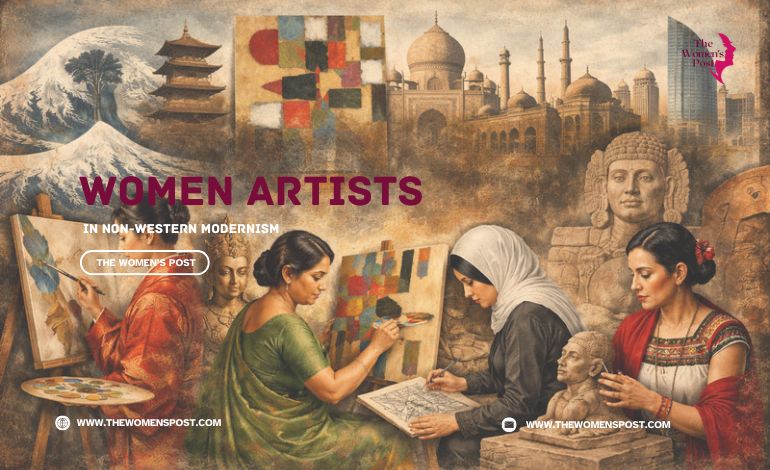
In the 20th century, several countries in Africa and the Middle East became independent from colonial powers. This period of independence is referred to as decolonization. During this time, there was hope and the search for identity in these countries. This search for identity also led to the development of art. During this period, women artists in these countries developed new forms of modern art. They blended the local with the international in modern art. These women artists are considered the pioneering women artists in non-Western modernism.
However, their names are not well documented in history books. They gave these countries their identity after years of colonialism. This article will discuss the lives of these women artists in the history of non-Western art. The artists are Bertina Lopes of Mozambique, Inji Efflatoun and Gazbia Sirry of Egypt, and Chaïbia Tallal of Morocco.
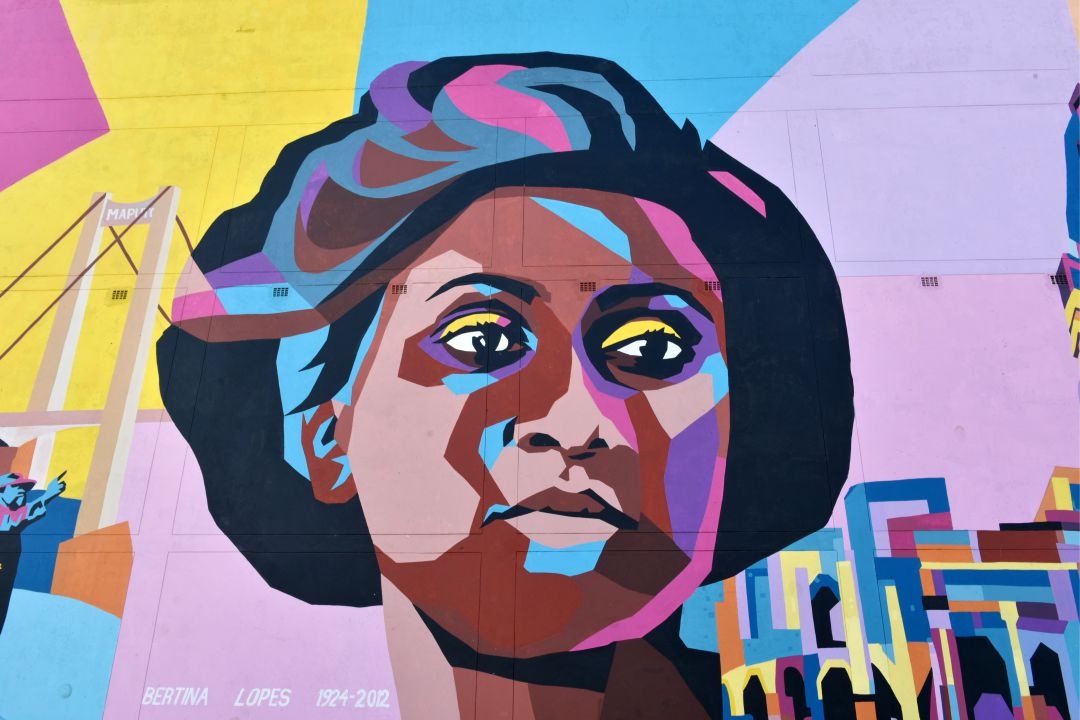
Bertina Lopes: Mozambique’s Voice of Resistance
Bertina Lopes was born in 1924 in Maputo, Mozambique. Her father was Portuguese, and her mother was African. She studied art in Lisbon, Portugal. This is where she first saw modern painting. However, she went back to Mozambique in 1953 and joined the struggle for independence from Portugal. Her early works showed the harsh life under colonialism. She used bold lines, bright colors, and shapes drawn from African patterns mixed with European expressionism. This fusion made her art feel both local and new.
Also Read: Emerging Women Artists Redefining MENA And African Contemporary Scenes
In 1964, police chased her for her anti-colonial views, so she fled first to Portugal and then to Rome, Italy. There, she kept painting and sculpting about Mozambique’s struggle for freedom. After independence in 1975, her later pieces turned more abstract. They captured the joy of a new nation and the pain of civil war. Lopes helped build a Mozambican modern art style that spoke of pride and resistance. Her work reminded people that art could fight for a country’s soul in non-Western art.
Inji Efflatoun: Egypt’s Feminist Visionary
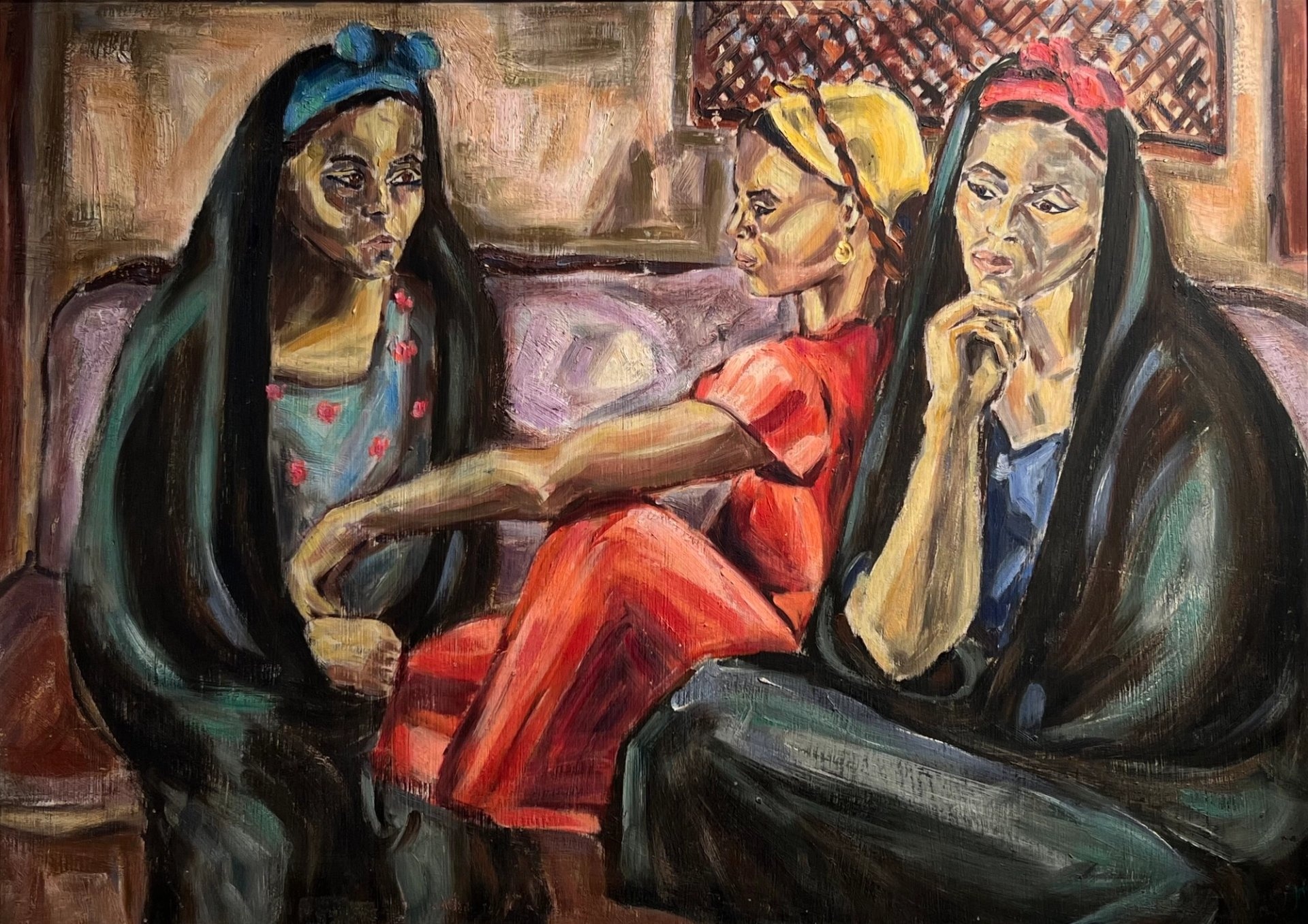
Inji Efflatoun, born in 1924 in Cairo, Egypt, grew up in a wealthy family but chose a different path. She became a painter, feminist, and political activist. Egypt had just thrown off British influence after the 1952 revolution, and Efflatoun used her art to support women’s rights and social change. Her paintings often showed groups of women talking, working, or thinking deeply. She blended Egyptian folk art—simple forms and earthy tones—with modernist ideas like strong colors and emotional brushstrokes. This mix helped create a new Egyptian look that felt rooted in local life yet open to the world.
In 1959, the government jailed her for four years because of her communist and feminist work. Even in prison, she painted scenes of nature and hope on scraps of paper. After her release in 1963, she kept working until her death in 1989. Her art helped Egyptians picture a modern, equal nation during decolonization and became an important part of non-Western art. She showed that women’s voices mattered in building a free country.
Also Read: Women As Creators, Patrons, And Collectors In History
Gazbia Sirry: The Godmother of Egyptian Modern Art
Gazbia Sirry was born in 1925, also in Cairo. Like Efflatoun, she lived through Egypt’s big political shifts. She studied art first in Egypt and then traveled to Paris, Rome, and London for more training. But she always returned to her roots. Sirry painted everyday Egyptian scenes—families by the Nile, women at work, or city streets—with geometric shapes and bright, layered colors. She drew from ancient Egyptian wall paintings and folk patterns, then twisted them into modern forms.
This fusion created art that felt truly Egyptian yet part of global modernism and stands as a strong example of non-Western art. Her work often quietly commented on women’s place in society and the challenges of new independence. She lived a long life, dying in 2021, and held dozens of shows around the world. Critics called her a “godmother” of Egyptian art because she helped define what it meant to be modern and Egyptian at the same time. Her paintings gave people a mirror to see their changing nation with pride.
Chaïbia Tallal: From Village Life to International Fame
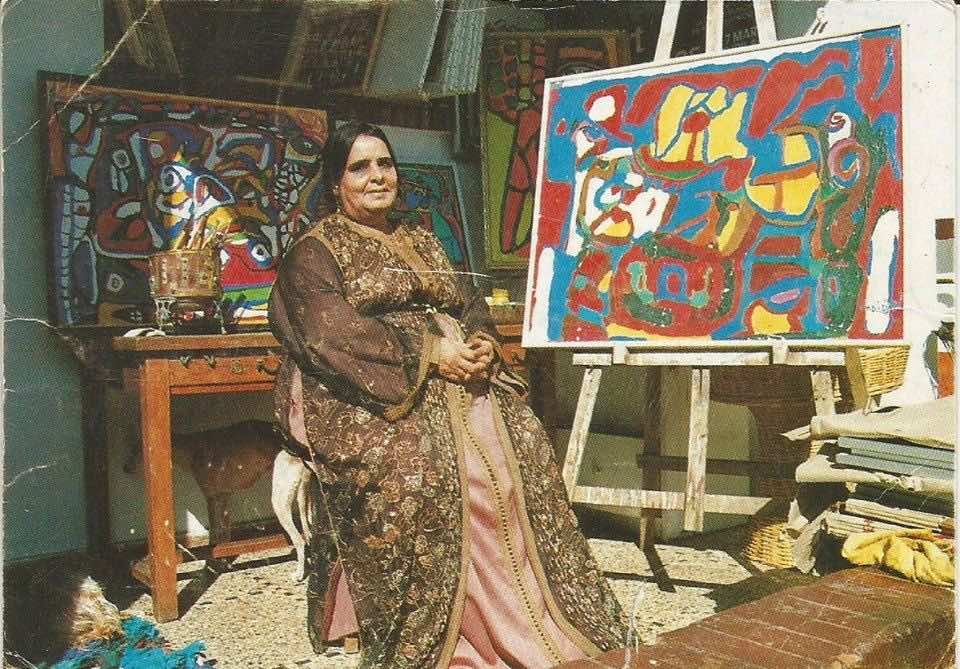
Chaïbia Tallal had the humblest start of all. Born in 1929 in a small village called Chtouka in Morocco, she married at 13 and became a widow at 15. She raised her son alone while cleaning wool and doing hard jobs. At age 35, she had a dream in which strangers handed her brushes and canvas. She began painting right away, even though she could not read or write. Tallal created large, joyful pictures full of bright primary colors—reds, blues, and yellows—straight from the tube. Her style was spontaneous and naïve, like childlike drawings, but full of power.
Also Read: Masculinity And Femininity In Traditional Cultural Performances
She painted women dancing, storytellers, brides, and village festivals. These scenes came straight from her rural Moroccan childhood. Morocco gained independence from France in 1956, and her art celebrated that new freedom. She mixed local traditions—bright fabrics, folk dances, and desert life—with a raw energy that reminded some of European naïve artists. In 1966, she showed her work in Paris and became the first Moroccan woman artist to gain international fame. Until her death in 2004, she kept painting outdoors on big canvases. Her work helped Morocco see its own beauty and strength in modern art and remains a shining example of non-Western art.
The Shared Legacy of These Pioneering Artists
These four women shared a common gift. They took the stories, colors, and daily rhythms of their homelands and wove them into new modern styles. During decolonization, when nations needed to feel whole again, their art gave people pride. Lopes spoke for African resistance. Efflatoun and Sirry painted the hopes of a free Egypt. Tallal brought the village of Morocco to the world stage. They faced hardship—exile, prison, poverty, and being ignored by the male-dominated art world—but they kept creating.
Today, museums and scholars are finally giving them the attention they deserve as forgotten women artists in global modernism. Their stories remind us that modernism did not belong only to the West. It grew strong in many places, thanks to brave postcolonial women artists challenging Western modernism. In a simple yet powerful way, they helped shape the identities of their young nations. Their legacy lives on in every viewer who sees their work and feels a little more connected to the world’s rich, diverse stories.
Non-Western art has gained fresh recognition through such powerful contributions.


