






Biocon: India’s Biotech Leader Making Complex Medicines More Accessible

- PublishedFebruary 6, 2026
When people talk about biotechnology in India, one name often comes up first: Biocon.
Founded in 1978 in Bengaluru, Biocon has grown from a small enzyme startup into a global biopharmaceutical company serving patients in more than 100 countries. Over four decades, it has built credibility in research, manufacturing, and regulatory compliance. Most importantly, it has focused on one clear mission: making high-quality, life-saving medicines more affordable.
This article takes a closer look at Biocon’s journey, business model, leadership approach, and long-term impact written with clarity, accuracy, and trust in mind.
1. Company Overview
Founded: 1978
Headquarters: Bengaluru, Karnataka, India
Industry: Biopharmaceuticals and Biotechnology
Core Focus Areas: Biosimilars, insulin, biologics, generics
Biocon is publicly listed in India and operates through a mix of research, large-scale manufacturing, and global distribution networks. Over time, it has developed strong regulatory expertise, gaining approvals in the United States, Europe, and other highly regulated markets.
This regulatory track record adds credibility. In biotechnology, approvals from global authorities signal quality, safety, and compliance. Biocon has consistently worked to meet those standards.
2. How Biocon Started
Biocon began as an industrial enzyme company. At that time, biotechnology in India was almost unknown. The company exported enzymes used in brewing, textiles, and food processing.
The early years were not easy. Funding was limited. Infrastructure was basic. Biotechnology was considered risky.
Still, the company built international relationships and became one of the first Indian firms to export enzymes to advanced markets.
That global exposure shaped its future mindset. Biocon learned to compete on quality from the beginning.
3. Transition Into Biopharmaceuticals
In the 1990s and early 2000s, Biocon made a strategic shift. It moved into biopharmaceuticals, a more complex and research-intensive field.
This transition required:
- Advanced laboratories
- Cell culture technology
- Clinical development expertise
- Regulatory documentation systems
- Highly trained scientists
The company invested heavily in research infrastructure in Bengaluru. Over time, it developed capabilities in biologics and biosimilars, particularly in chronic disease segments.
This was a long-term move. Drug development takes years. Clinical trials are expensive. Results are uncertain. But the leadership believed India could build world-class biotech capabilities.
4. Leadership in Biosimilars
One of Biocon’s strongest contributions to global healthcare is its work in biosimilars.
Through Biocon Biologics, the company develops and commercializes biosimilar versions of complex biologic medicines.
What Are Biosimilars?
Biologics are large, complex drugs made from living cells. They treat diseases such as cancer and diabetes. However, they are often very expensive.
Biosimilars are highly similar versions of those biologic drugs. They work the same way and meet strict regulatory standards but are typically offered at lower prices.
By developing biosimilars, Biocon helps expand access to:
- Insulin therapies
- Monoclonal antibodies for cancer
- Treatments for autoimmune conditions
This focus supports both innovation and affordability, two goals that often seem difficult to balance.
5. Manufacturing and Global Standards
Biocon operates advanced manufacturing facilities that meet international regulatory standards. Approvals from agencies such as the U.S. FDA and European regulators allow the company to supply medicines in developed markets.
This matters.
Biotechnology manufacturing is highly regulated. Facilities must meet strict quality and safety protocols. Maintaining these standards requires constant monitoring, documentation, and audits.
Biocon’s consistent regulatory approvals strengthen its credibility in global markets.
6. Business Model and Strategy
Biocon follows a balanced approach:
- Invest in Research: Develop strong in-house R&D capabilities.
- Build Manufacturing Scale: Reduce cost through efficient production.
- Expand Global Presence: Enter regulated and emerging markets.
- Focus on Chronic Diseases: Address high-burden therapeutic areas.
Chronic diseases like diabetes and cancer are growing worldwide. By concentrating on these segments, Biocon addresses long-term healthcare demand.
The company avoids chasing short-term trends. Instead, it builds long-term product pipelines.
7. Social Responsibility and Healthcare Access
Healthcare companies operate in a sensitive space. Access and affordability matter deeply to patients and families.
Biocon supports initiatives that improve healthcare awareness and access, particularly in India. The group has invested in cancer care infrastructure and community health efforts.
This commitment aligns with its broader mission science that serves society.
8. Financial Stability and Growth
Over the decades, Biocon has grown into a multi-billion-dollar enterprise. It is listed on Indian stock exchanges and has built a diversified revenue base.
Its growth has come from:
- Product expansion
- Geographic diversification
- Strategic restructuring
- Strengthening biosimilars operations
Biotechnology markets are competitive and highly regulated. Sustainable growth requires discipline, risk management, and strong compliance systems. Biocon has steadily built those capabilities.
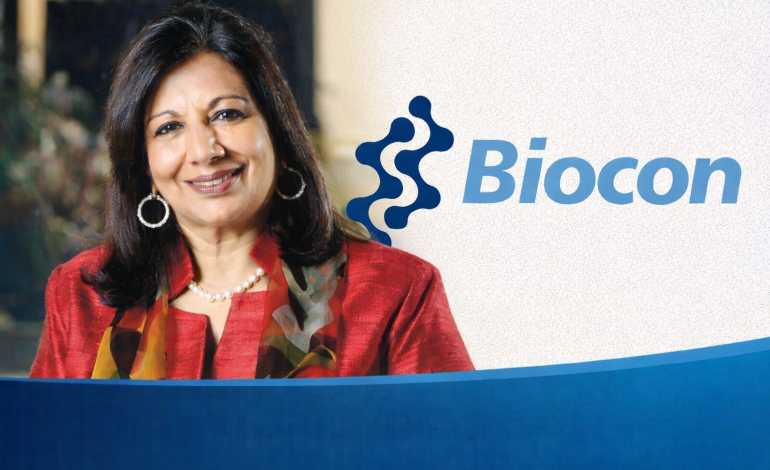
About the Founder: Kiran Mazumdar-Shaw
Kiran Mazumdar-Shaw founded Biocon in 1978 at the age of 25. She began with limited capital and faced skepticism from banks and industry leaders. At the time, biotechnology was not seen as a strong business opportunity in India.
With a background in zoology and brewing science, she combined scientific knowledge with entrepreneurial persistence. Over the years, she transformed Biocon from a small enzyme exporter into a respected global biopharmaceutical company.
She is widely recognized for building one of India’s first successful biotech enterprises. She has received national honors such as the Padma Shri and Padma Bhushan. Beyond business, she actively supports cancer care and healthcare access initiatives.
Her leadership emphasizes long-term research, regulatory credibility, and affordability principles that continue to guide Biocon today.
Why Biocon’s Story Matters
Biocon represents more than corporate growth. It represents the rise of Indian biotechnology on the global stage.
The company has shown that:
- India can build advanced biologic manufacturing capabilities.
- High-quality biosimilars can expand global access.
- Long-term research investment creates sustainable impact.
In a world where healthcare costs continue to rise, companies that balance innovation with accessibility play a critical role.
Biocon’s journey reflects experience, expertise, and sustained effort. From a small startup in Bengaluru to a multinational biotechnology company, it has built its reputation step by step through science, compliance, and steady leadership.
As biotechnology continues to evolve, Biocon remains focused on its core belief: complex medicines should not be out of reach for the people who need them most.