






The Role Of Healthcare Professionals In Lactation Education, And Ongoing Support For Feeding Families
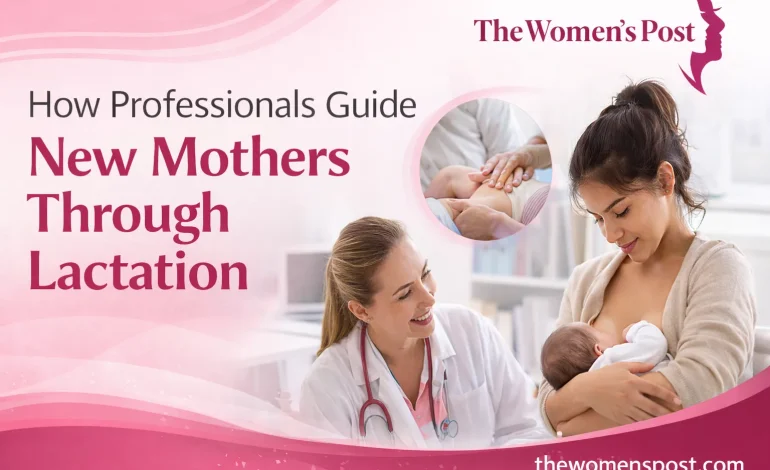

Breastfeeding education is among the most powerful influences that can help shape the health course of babies at the very beginning of their lives. However, many new mothers experience difficulties in the early stages. It is in this respect that healthcare professionals, including physicians, midwives, nurses, lactation consultants, and pediatricians, become extremely crucial.
Breastfeeding education plays an important role as they assist in three critical stages of breastfeeding: early intervention, routine lactation education, and support. It helps build confidence from the very beginning. The role of healthcare professionals becomes more apparent during such crucial times.
Breastfeeding education becomes very necessary in the first days of a newborn’s life. The need to provide lactation education in the postpartum period cannot be overstated.
Early Intervention: The Golden First Hour
The first hour after birth is often called the “Golden Hour”. During this time, healthcare professionals can make or break the breastfeeding journey.
Their main jobs include:
- Placing the baby skin-to-skin with the mother immediately after birth
- Helping with the first latch
- Ensuring the baby starts breastfeeding within 1 hour of birth
Early initiation helps the baby get colostrum (the first golden milk full of antibodies), and improves long-term breastfeeding success. The importance of early lactation support postpartum starts right here in this golden window.
Nurses and midwives trained in the Baby-Friendly Hospital Initiative (BFHI) are especially effective at this stage. Continuity of breastfeeding care by professionals actually begins from this very first hour.

Routine Lactation Education
Good breastfeeding education should happen in two phases:
Prenatal Education (During Pregnancy)
Doctors, gynecologists, and nurses should teach pregnant women:
- Benefits of breastfeeding for mother and baby
- Proper positioning and attachment
- How to recognize hunger cues
- Common challenges (like sore nipples, low supply fears) and how to solve them
Postnatal Education (After Delivery)
This is even more critical. In the hospital, staff must:
- Teach hands-on breastfeeding techniques
- Show how to express milk
- Explain how to maintain milk supply even if the mother and baby are separated
Unfortunately, many hospitals still give formula or water without medical need, which confuses the baby and reduces milk supply. Breastfeeding education at this stage prevents many common problems.
Supporting new mothers with lactation education and ongoing help is a key responsibility of the healthcare team here.
Ongoing Support After Discharge

Also Read: How Women Live Longer, Despite Being In Poor Health Compared To Men
The first two weeks at home are the hardest for most mothers. Many stop breastfeeding due to pain, low confidence, or perceived low milk supply.
Here’s where healthcare professionals continue to help through:
- Follow-up visits or calls at 3, 7, and 14 days
- Lactation clinics or breastfeeding helplines
- Home visits by nurses or community health workers (like ASHA in India)
- Teleconsultation support
Mothers who receive continued professional support breastfeed longer and exclusively compared to those who don’t. Supporting new mothers with lactation education and ongoing help makes a real difference after discharge.
Continuity of breastfeeding care by professionals ensures mothers never feel alone in this journey.
Key Healthcare Professionals Involved
- Lactation Consultants (IBCLC) → Experts in solving complex feeding problems
- Midwives & Maternity Nurses → Best placed for hands-on early support
- Pediatricians → Monitor baby’s weight and growth
- Obstetricians/Gynecologists → Support mothers during pregnancy & C-section recovery
- Community Health Workers (ASHA, ANM) → Bridge hospital to home
The role of healthcare professionals in breastfeeding support shines through these dedicated team members.
Why This Support Matters
When healthcare teams actively support feeding families:
- Exclusive breastfeeding rates improve significantly
- Less chance of jaundice, infections, and hospital readmissions
- Mothers feel more confident and less anxious
- Long-term benefits include better immunity, lower obesity risk, and stronger mother-baby bonding
Many mothers still stop breastfeeding in the first 1–3 months due to poor support.
Challenges Healthcare Professionals Face
- Heavy workload in hospitals
- Lack of proper lactation training
- Pressure from families to give formula or water
- Very few dedicated lactation consultants in government hospitals
Final Thoughts
Healthcare professionals are not just “deliverers of babies” — they are guardians of breastfeeding. Their timely help during the early days, proper breastfeeding education, and continued support can decide whether a mother continues breastfeeding successfully for 6 months or more.
Every doctor, nurse, and midwife must be trained in breastfeeding support. Because when mothers get the right help, babies and families thrive. The role of healthcare professionals in breastfeeding support truly shapes healthier futures for families.