




The Persistent Burden Of STIs (HIV, HPV, Syphilis, Chlamydia) On Young Women

STIs in young women remain a significant global health issue that continues to affect millions every year. Despite advances in medicine and greater awareness, the rates of sexually transmitted infections among adolescent and young females stay alarmingly high. This comprehensive guide explores the ongoing challenge of STIs in young women, focusing on four major infections: HIV, HPV, syphilis, and chlamydia.
Why STIs in Young Women Remain a Major Concern
STIs in young females are a large health concern globally. Such diseases are spread via sexual relations and have significant consequences when not cured. Four prevalent forms that will be considered in this essay are HIV, HPV, syphilis, and chlamydia. The primary demographic they influence are young females between the ages of 15 and 24 years. The high rates of STIs in young females persist even with improved health medical technology and increased health awareness. Every year, there are millions of cases of STIs in young females that have social consequences in addition to health risks. Let’s delve deeper into why such a concern persists among young females suffering from STIs.
Young women carry a huge burden with regard to these diseases. In the United States, for instance, half of all reported cases of STIs are within people aged 15-24. However, there were estimated to be under a billion people with new infections of treatable STIs such as chlamydia, gonorrhea, and syphilis in people aged 15-49. However, there are higher risks associated with young women with regard to this burden. This burden for young women with regard to STIs continues to increase. For example, syphilis cases have surged in recent years in the US. In recent data, the US saw millions of cases of chlamydia, gonorrhea, and syphilis combined, with some declines but still high compared to before for STIs in young women.
Understanding Each STI and Its Impact on Young Women
Also Read: Contraception: Global Access And The Unmet Need Of Millions Of Women
HIV in Adolescent Girls and Young Women
Start with HIV, the virus that can lead to AIDS if untreated. It attacks the immune system, making the body weak against other illnesses. Globally, millions live with HIV, and many die from it each year. HIV in adolescent girls is a major concern, as young women are hit hard. In places like sub-Saharan Africa, HIV in adolescent girls get infected at higher rates than men due to factors like poverty and unequal power in relationships. Untreated HIV can cause long-term health issues, infertility, and pass to babies during pregnancy, adding to the burden of STIs in young women.
HPV and the Risk of Cervical Cancer in Young Women
Next is HPV, or human papillomavirus. This is very common—most people who have sex will get it at some point. There are over 100 types, but some cause warts or cancer. Persistent HPV young women can lead to serious problems, including cervical cancer HPV young women, which kills thousands each year. In young women, HPV is widespread because many start sexual activity in their teens or early twenties. Vaccines exist, but not everyone gets them. In the US, a large share of new STI infections are in the 15-24 age group, and HPV makes up a big part. Globally, the burden on women has stayed significant, with many cases linked to persistent HPV young women. The persistence comes from silent infections—many show no symptoms, so they spread easily, contributing to cervical cancer HPV young women.
Syphilis Among Sexually Transmitted Diseases Adolescent Women
Sexually transmitted diseases adolescent women often include syphilis, caused by bacteria and going through stages. Early on, it might cause sores, but if ignored, it damages the heart, brain, and other organs. There’s been a surge lately in cases. Globally, there are many new adult syphilis cases, plus high rates of congenital syphilis, where moms pass it to babies. Young women are vulnerable because testing isn’t always routine. In the US, rates among women aged 15-24 are high, part of millions of STI cases reported recently. Congenital syphilis can cause birth defects or death, adding to the emotional toll for sexually transmitted diseases adolescent women.
Chlamydia: The Silent Threat for Young Women
Chlamydia is another bacterial infection, often without symptoms. It can cause pelvic pain, infertility, or ectopic pregnancies if untreated. It’s the most reported STI in many places. In young women, rates are sky-high—in the US, women aged 15-24 have among the highest chlamydia rates. Globally, it’s one of the main curable STIs, with millions of cases yearly. Studies note a large percentage of chlamydia, gonorrhea, and syphilis cases are in the 15-24 group. The persistence? Many don’t get screened, and reinfection is common, keeping STIs in young women an ongoing issue.
Why the Burden of STIs in Young Women Persists

Also Read: The Invisible Women’s Health Gap: Understanding Endometriosis, PMS, Menopause, And Migraine
Several reasons keep these STIs in young women a problem. Biologically, their bodies are more prone to infections. The cervix in young women is still developing, making it easier for viruses like HIV and HPV to enter. Social factors play a role too. Many young women lack full information about safe sex. Stigma around STIs stops them from seeking help. In some cultures, talking about sex is taboo, so education falls short for sexually transmitted diseases adolescent women.
Barriers to Healthcare Access
Access to care is another barrier. In low-income areas, clinics might be far or costly. In places like BRICS countries, a large share of global STI cases occur. Unequal relationships can mean young women can’t insist on condoms. Online dating and casual hookups might increase risks without proper precautions. Even with progress, like better HIV treatments, other STIs rise due to antibiotic resistance or less condom use, affecting HIV in adolescent girls and others.
The Role of Health Inequalities
Health inequalities make it worse. Adolescents and young adults, especially from minority groups, face higher rates. Globally, the burden on women of childbearing age ties to unsafe sex causing diseases like HIV/AIDS and cervical cancer HPV young women.
Consequences and Broader Effects of Untreated STIs
The effects go beyond physical health. Untreated STIs can lead to infertility, chronic pain, or cancers. HIV requires lifelong meds, impacting daily life. HPV-linked cervical cancer is preventable but still common in areas without screening, tied to persistent HPV young women. Syphilis and chlamydia can harm pregnancies, leading to miscarriages or sick babies.
Emotionally, young women might feel shame, anxiety, or depression. Relationships suffer, and there’s economic cost—treatments and lost work add up. Society pays too, with billions spent on healthcare. The persistent nature means generations face the same issues without change for STIs in young women.
Paths to Reduction: Prevention Strategies for STIs in Young Women
Also Read: Abortion Restrictions And Their Impact On Women’s Health Systems Worldwide
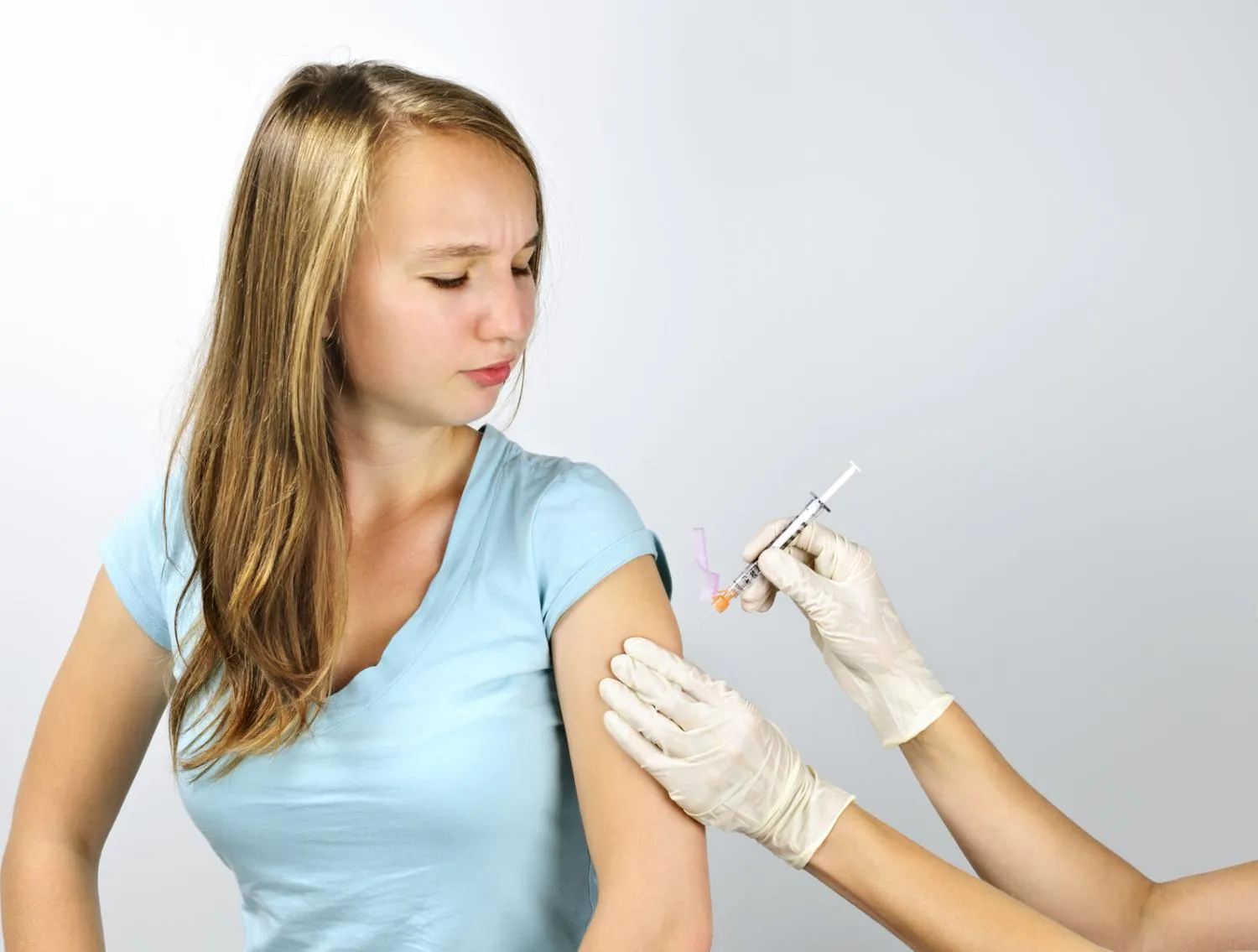
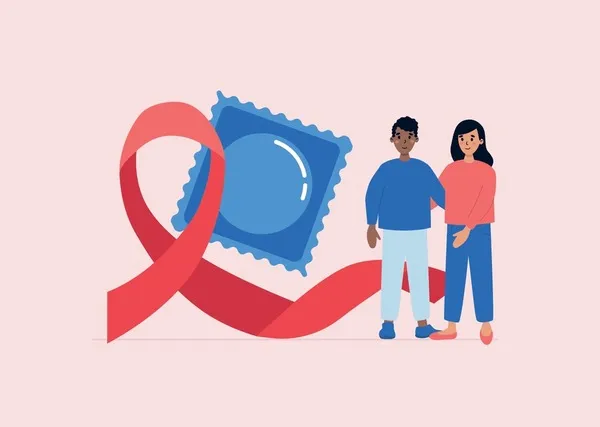
Hope exists through prevention. Education is key—schools and communities should teach about consent, condoms, and testing. Vaccines for HPV and hepatitis B help a lot against persistent HPV young women and cervical cancer HPV young women. Regular screenings catch issues early. PrEP meds prevent HIV for high-risk groups, including HIV in adolescent girls. Governments need better access to free tests and treatments. Groups like WHO push for integrated care, combining STI services with family planning.
Young women can protect themselves by using protection, getting vaccinated, and talking openly with partners. Support from peers and apps for anonymous advice can reduce stigma for sexually transmitted diseases adolescent women.
Wrapping Up: Addressing the Persistent Burden on Young Women
The persistent burden of HIV, HPV, syphilis, and chlamydia on young women is a complex issue rooted in biology, society, and access gaps. While stats show millions affected yearly, with some trends in STIs, solutions like education and better healthcare can lighten the load for STIs in young women. Addressing this helps not just individuals but whole communities build healthier futures.