





The Evolution Of Women In Sports And The Way Ahead

The involvement of women in sports has experienced a radical shift over the last century. Women were almost absent from sports, and now they are strong sports personalities in the roles of players, instructors, and managers. The experience of women in sports is one that reveals their unwavering determination and their continued struggle in order to reach complete equality in the sports sector.
A Historical Look: Where It All Started
Historically, women have been discouraged from taking part in sports. In ancient Greece, sports had originated at the Olympic Games, which barred women from both participation in these activities and even viewing them. Societal opinions of that time held that sports weren’t a proper place for women because of their fragile natures.
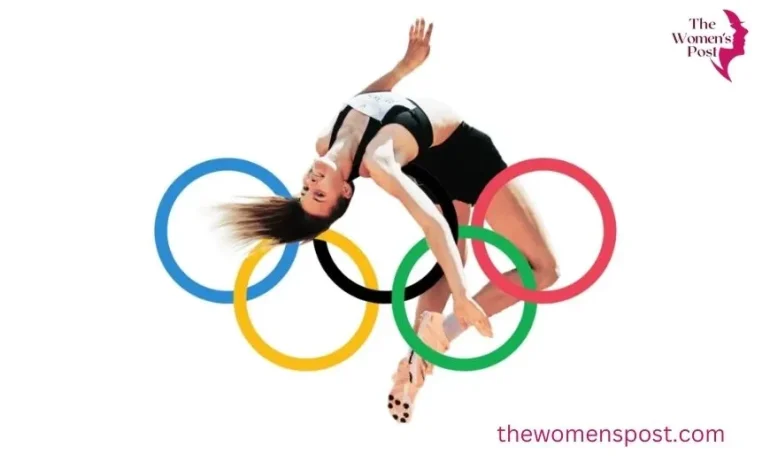
Then came the late 19th and 20th centuries, with women starting to break away from these constraints. When the modern Olympic Games were first held in 1896, women were not admitted at all, but at the 1900 Olympic Games in Paris, women did make their debut, but with a very low representation of 22 out of 997 participants, with women composing just over 2 percent. Even this small gap opened the doors for women to take part in sports that were previously prohibited for women!
Although women’s sports participation is increasing steadily through the 20th century, there was a significant milestone created for women sports activities in the United States with the legislation of Title IX in 1972. Title IX is a federal law that banned sex-based discrimination against students in educational institutions across the United States. It mandated schools to offer equal sports opportunities for both male and female students. The result is an incredible transformation that happened immediately after Title IX’s legislation. Only 1 out of 27 girls participated in high school sports before Title IX; now, it’s closer to 1 out of every 3 girls, indicating groundbreaking changes brought by the legislation of Title IX to women’s sports participation. The development of women’s sports activities is evidently seen through these changes.
The Modern Era: Building Momentum

Also Read: Programs Supporting Women In Sports: Title IX And Khelo India
In the 1980s and 1990s, sports for women slowly received recognition and appreciation.Martina Navratilova in tennis, Babe Zaharias in golf, and later the Williams sisters in tennis brought a revolution in the way women athletes were perceived in society. All these women athletes demonstrated to society that a woman can be tough, competitive, and successful in sports.
The 1999 Women’s FIFA World Cup has become a cultural phenomenon that has been described as a ‘watershed’ event in the participation of women in international sports around the globe. The US women’s national soccer team won the cup in the presence of 90,000 fans, and this event helped divert attention to women’s sports around the world. It demonstrated that huge crowds could be attracted to women’s sports.
Women’s leagues in sports started becoming established and flourishing during this time. For instance, the Women’s National Basketball Association was established in 1996 and has been improving over the years. This is attributed to the rising salaries and television viewership. Leagues for soccer women also started flourishing in Europe and other parts of the world. This provided women the chance to continue pursuing their sports careers. Women’s development and growth in the sports industry can be observed through the development of leagues.
Recent Achievements and Recognition
The 2020s have opened an unprecedented level of attention and investment in women’s sports. The Olympics that took place in 2021 in Tokyo, Japan, and the 2024 Olympics in Paris, recorded a record number of female participants. The historic milestone recorded by the 2024 Olympics was attaining gender equality, with an equal number of male and female participants, an impossibility in the past.
The media coverage has also changed dramatically. The big sports channels in the world now feature women’s matches on regular broadcasts. Streaming channels have also acknowledged the need for women’s sports coverage. There has been increased sponsorship of women’s sports as well as advertising revenue in the sector due to the new perception of the segment by corporate institutions.
The revenue earnings in women’s sports should not be overlooked. A study has confirmed that women’s sports are expanding at a greater rate than men’s sports when it comes to the number of fans and investment being put into them. A 2.5 billion dollar market opportunity has been recognized by prominent consulting companies; this illustrates that women’s sports are not a niche category anymore but a genuine and expanding area of the sporting world. The emergence of women in sports and the future of gender parity in sporting activities becomes more apparent every year.
The Ongoing Challenges
Also Read: Current Campaigns And Policies To Enhance The Position And Safety Of Women Within Sports Settings
Despite these triumphs, challenges still exist. The pay gap exists in professional sports. Women earn lower wages compared to men, although they possess equal fan support. Some leagues, where women’s teams rake in equal or higher revenues compared to men’s teams, still have lower spending on their wages.
The portrayal in the media is also not equal. There has been evidence that men’s games are covered much more than women’s games when it comes to news and television time. It impacts sponsors, salaries of players, and the overall publicity that leads to the involvement of new players.
Sports participation is not equal around the globe. Whereas in some countries, women have made great strides in sports, millions of girls and women in developing countries lack access to sports infrastructure and programs. Many girls and women in developing countries lack equal access to sports due to various reasons related to their culture and economic standards.
Discrimination and harassment in sports organizations continue to occur. Women coaches and administrators and female athletes continue to experience discrimination and sometimes harassment and even violence. The problem of providing a safe and inclusive environment is a continuing challenge. The realities and opportunities for female athletes in professional sports continue to change.
The Path Forward
“The pursuit of equality in sports also needs to involve various other elements.” For one, it is necessary to continue to invest in women’s sports. There need to be recognition and acceptance that women’s sports are marketable and deserving of the same investment as sporting events featuring men.” Second, changes brought about in policies can be the solution towards progress. Governments and sports organizations should adopt the implementation of equal pay policies and require the representation of women in leadership roles. There should be more involvement of educational institutions and communities in the development of sports programs for young women irrespective of the economic levels they belong to. Thirdly, there is a need for a culture change. Society ought to continue changing its attitudes towards female athletes, where their accolades are honored in equal enthusiasm as male athletes are honored in society today.
There is a need for equitable media coverage to ensure a positive depiction in advertisements; otherwise, there may continue to be low morale among female athletes in the future. Fourth, there has to be a concerted effort at creating a conducive environment for all. This brings up the issue of ending discrimination, the promotion of their mental and physical well-being as athletes, and a safe place for women amidst the sporting community. The underlying causes for the increased participation of girls playing sport after the pandemic are influencing the future as well.
Conclusion
The history of women in sport is one of the most radical changes of the past century. From no presence to records of excellence in participation levels and recognition, women have established their status as sportspersons deserving of admiration, financing, and celebration. The recent success in terms of parity in the Olympic Games or increased coverage/support is that change is possible. Even so, there still remains a way to achieve a complete level of equality. Instances of wage disparity, inequality in media representation, lack of representation in certain areas geographically, and discrimination in the workplace are all issues that women in sports continue to face. Rather than focusing on the immense victory that women in sports have achieved today in terms of recognition, respect, and empowerment, a more positive future for equality can be realized by understanding that there is more work that must be done. The future of women in sports is a story that continues beyond today.