





23andMe: Redefining Consumer Genetics in the Modern Health Economy
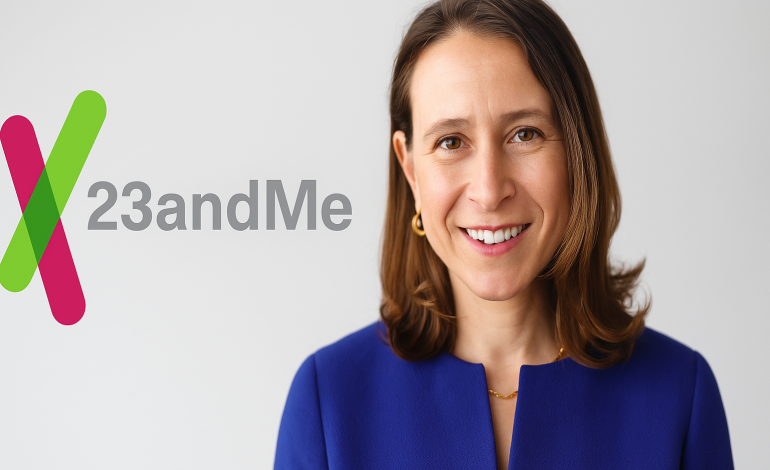

In an era where data-driven decision-making defines competitive advantage, 23andMe emerged as one of the most disruptive companies at the intersection of biotechnology, healthcare, and consumer technology. By bringing genetic testing directly to individuals, the company reshaped how people understand their ancestry, health risks, and biological traits.
A New Approach to Personal Health Data
Traditional genetic testing was once limited to clinical environments, often expensive and inaccessible to the average consumer. 23andMe changed that model by offering direct-to-consumer DNA testing kits, allowing users to access genetic insights from the comfort of their homes.
Through a simple saliva sample, the platform delivers reports on ancestry, inherited traits, and select health-related genetic markers. This approach helped normalize conversations around genetics and empowered individuals to engage more actively with their personal health data.
Visionary Leadership Behind the Brand
A central force behind 23andMe’s rise is Anne Wojcicki, the company’s co-founder and long-time chief executive. With a background in biology, Wojcicki launched 23andMe in 2006 with a clear mission: to democratize access to genetic information and place scientific knowledge directly into consumers’ hands.
Under her leadership, 23andMe became a global name in consumer genomics and built one of the largest privately held genetic databases in the world. Anne Wojcicki’s entrepreneurial vision positioned the company not just as a testing service, but as a data-driven health platform with long-term research potential.
Innovation Meets Scientific Research
Beyond consumer testing, 23andMe leveraged its growing database to contribute to genetic research and drug discovery. With customer consent, anonymized genetic data have been used to study links between genetics and diseases, advancing scientific understanding across multiple health conditions.
This dual focus on consumer empowerment and research collaboration allowed 23andMe to stand apart from traditional healthcare providers and purely academic research institutions.
Business Challenges and Industry Realities
Like many pioneering companies, 23andMe has faced significant challenges. Shifts in consumer demand, rising operational costs, regulatory scrutiny, and questions around long-term monetization tested the company’s sustainability. In 2025, these pressures culminated in a major restructuring phase that marked a turning point in the company’s journey.
Anne Wojcicki’s departure from the CEO role symbolized the close of an important chapter, while also underscoring the realities of scaling innovation in highly regulated, science-driven industries.
The Broader Impact on Healthcare and Technology
Despite its challenges, 23andMe’s influence on healthcare remains substantial. The company helped:
Popularize personalized and preventive health concepts
Increase public awareness of genetics
Spark conversations about data privacy, consent, and ethics
Inspire a new generation of health-tech and biotech startups
Anne Wojcicki’s work continues to be cited as a case study in bold entrepreneurship — demonstrating both the transformative power of innovation and the complexities of sustaining it at scale.
Looking Ahead
As healthcare increasingly integrates genetics, AI, and data analytics, the foundation laid by 23andMe will continue to shape the industry. Whether through research partnerships, evolving business models, or future innovations inspired by its journey, the company’s legacy is firmly embedded in the evolution of consumer health technology.
At its core, 23andMe represents a powerful idea: that individuals should have access to their own biological information. Guided for many years by Anne Wojcicki’s vision, that idea has permanently changed how genetics fits into modern business and healthcare.