





Pay Equity In Sports: The Ongoing Fight For Equal Compensation
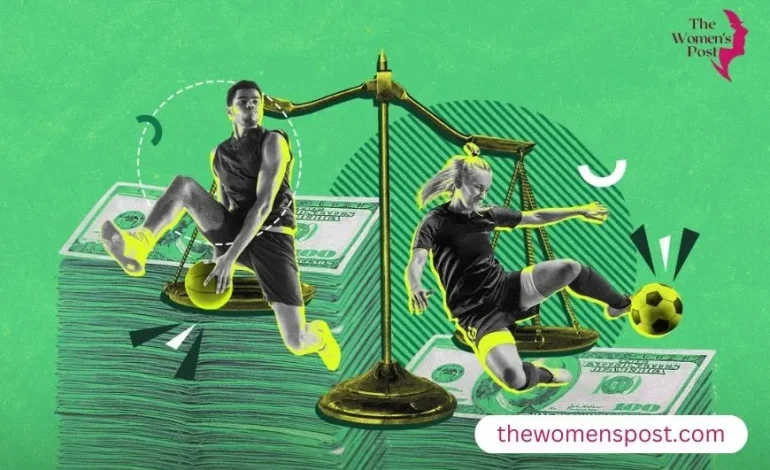

Excellence, hard work, and competitive neutrality are but a few words that characterize sports. Yet, behind the bright lights of centre stage, the thrill of championship wins, and the fancy arm-trophies lies a not-so-appealing reality-female athletes get a fraction of the money their male counterparts get. The gender pay gap in sports is one of the most salient examples of workplace inequality, with its impact estimated to be felt by millions of women around the world, and with core connotations of fairness, recognition, and worth.
Understanding the Scale of the Problem
The disparity is astounding: the average earnings for female athletes are $15,232, while for male athletes, the number goes up to $38,008 per year, which is a significant difference of 149.5%. This gap stretches across prize money, salaries, sponsorship deals, and other forms of compensation received in both amateur and professional sports. It has been going on since decades, though there has been an increased call for equality and some occasional victories in the fight for fair pay.
One of the most striking manifestations of the inequality cropped up in professional soccer. According to court filings associated with a landmark lawsuit, some of the female soccer players made just 38% of what their male counterparts were taking home, despite the women consistently outperforming the men in generating revenue and drawing audiences. After winning the World Cup in 2015, the US Women’s National Team drew higher television audiences and brought in more revenue for US Soccer compared to the men, and they continued to be paid less. The gender pay gap in sports is persistent and affects not only the athletes themselves but also the overall growth and visibility of women’s sports.
Landmark Legal Victories and Breakthroughs

Also Read: The Five Women Who Entered A Formula 1 Grand Prix And How Each Changed The Sport
Pay equity has not gone unnoticed in the fight. It was a groundbreaking moment in the struggle for equality in sports when the US Women’s National Soccer Team filed a lawsuit against US Soccer. After six years of litigation, the team won a historic victory in 2022 over pay and bonuses awarded to players on the women’s and men’s national teams, ending with a $24 million settlement and a commitment by the organization to equalize pay and bonuses between the two teams. This set a precedent that resonated throughout the sport.
Several countries have followed suit and rolled out their equal pay policies. Norway was the first to announce that women’s national team players would earn the same as men, with Northern Ireland, Scotland, Australia, New Zealand, and Brazil following suit. Spain announced a landmark deal that covered five seasons; it not only equalized pay but made sure that resources for travel, food, and accommodation were the same across national teams. Wales struck an agreement in which men accepted a 25% pay cut to enable women to receive a 25% pay rise.
Improvement is still patchy: while some countries and sports have made big steps forward on equal pay, significant gaps remain; WNBA players, for example, still often supplement their incomes by playing overseas during the off-season. A considerable challenge persists, as female athletes continue to be left struggling to make ends meet due to the gender pay gap in sports.
The Real Barrier: Visibility and Investment
Yet despite these legal triumphs, the root cause of pay disparity is not ability but exposure and investment. For decades, professional women’s sports were under-marketed and under-televised, negatively impacting their overall ability to establish audiences and attract sponsorship dollars. This was self-perpetuating: the less visible women’s sports were, the less revenue there would be to support it, the less money could be invested in promoting the sport.
The revenue situation tells part of the story. Women’s sports revenue is projected to surpass $2.35 billion globally in 2025-a remarkable 25% increase in just one year-after surpassing one billion dollars for the first time in 2024. Between 2022 and 2024, women’s sports in the US grew 4.5 times faster than men’s sports. These figures show that when given proper visibility and investment, women’s sports can attract substantial audiences and substantial revenue.
Commercial revenue, comprising sponsorships and merchandise sales, represents the largest revenue driver among women’s sports organizations. Sponsorship dollars alone broke the billion-dollar mark for the first time in 2024 and are expected to hit $1.26 billion in 2025. For every dollar invested by a corporate sponsor in women’s sports, research shows more than seven dollars in customer value is returned for that organization. The effect of media coverage and sponsorship on pay equity in women’s sports is all too evident: increased exposure and investment translate directly into better pay and opportunities for female athletes.
The Persistent Challenge: From Earnings to Investment

Also Read: Five Things To Know About Women And Sport
Yet despite this promising income, the link between increased revenue and athlete compensation remains frustratingly tenuous. Most women athletes are grossly underpaid, many forced into juggling sideline jobs to make ends in meet, detracting from their training and overall commitment. A comprehensive report on professional women athletes revealed that more than half of the women athletes do not earn a net income after factoring in sports-related expenses, while 74% keep other jobs alongside their demanding training regimen. Even among the highest earners, gender pay gaps remain. Coco Gauff, the top-earning female athlete in 2025, comes in almost $20 million shy of cracking the list of the 50 highest-paid athletes-a list comprised entirely of men, at this time. It is not just about today but how the gender pay gap in sports sets back women’s sports and the careers of athletes over the longer term, with fewer chances to grow and be recognized.
Future Prospects and the Way Forward
The momentum for change continues to build, particularly following cultural shifts in how women’s sports are perceived and promoted. What many now refer to as the “Caitlin Clark Effect” is a shining example of how one athlete’s rise can elevate an entire league and capture mainstream attention. The historic inclusion of equal numbers of male and female athletes at the 2024 Olympics further signaled a growing commitment to gender equality in sports.
According to McKinsey estimates, women’s sports could create at least $2.5 billion in value in the United States alone by 2030-a gain of 250% from the $1 billion chalked up in 2024. Realizing this potential will mean solving several systemic issues: media deals that undervalue women’s leagues, brands that treat inclusion as more than a marketing campaign, and modernized compensation models for governing bodies. Closing the gender pay gap in sports with the right policies and solutions is important to ensure female athletes get fair remunerations and opportunities.
Conclusion
This ongoing fight for pay equity within sports reflects broader struggles for gender equality in society. While recent legal victories and growing revenue streams engender hope, the gap between what women’s sports generate and what the female athletes earn remains substantial. True equity will take continued commitment from sports organizations, media companies, sponsors, and governing bodies to ensure female athletes receive recognition, resources, and remuneration proportional to their talent, dedication, and the value they create. The momentum is building, but the journey toward true pay equity in sports is far from over.
Other areas remaining central to this ongoing conversation about fairness and equality in sports include the gender pay gap in sports, why female athletes are paid less than their male counterparts in professional sports, how the gender pay gap affects women’s sports and athlete careers, the impact of media coverage and sponsorship on pay equity in women’s sports, and policies and solutions to close the gender pay gap in sports.