


The Contribution Of Poetry In Feminist Movements
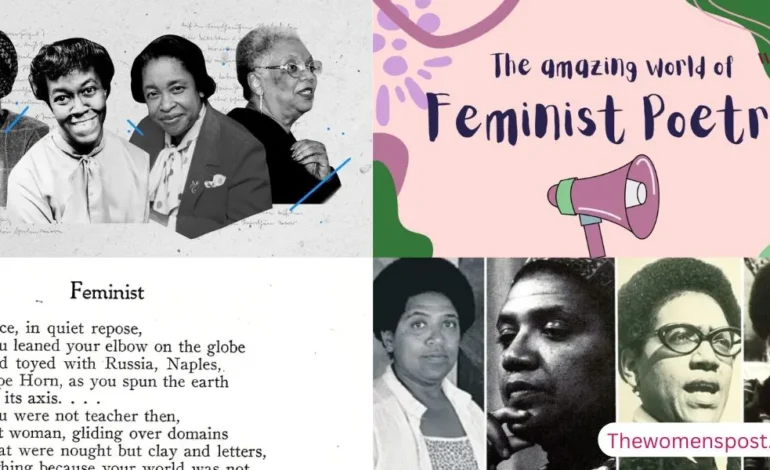

Feminist poetry has been an influential voice of change since time immemorial, particularly in feminist movements. Poetry in feminist movements contributes to enabling women to speak out about their experiences, question unjust systems, and motivate others to strive for equality. Since ancient times, poets have employed plain words and powerful images to bring to the limelight problems such as gender roles, racism, and oppression. This type of art not only tells personal narratives but also creates community and advocates for feminist poetry in social justice. Feminist poetry serves as an advocacy tool for women in feminist movements to reclaim space in a world that is likely to silence them.
Historical Role of Women Poets in Feminism
The historical function of women poets in feminism correlates directly with the waves of feminism. Feminist poetry doesn’t have a specific beginning, but the earliest examples demonstrate women employing verse to challenge norms:
- Sappho’s Influence: In ancient Greece, Sappho wrote of women loving other women, defying the cultural emphasis on men. Her poetry defied concepts of female sexuality and is regarded as the first voice in feminist poetry.
- Asian Contributions: In Asia, poets such as the Dutt sisters during 19th-century India blended European styles with indigenous traditions to bring about new forms of writing. Sarojini Naidu, another Indian poet, tied her poems to the struggle for independence as well as women’s rights and eventually became a political leader, thus helping in the impact of poetry on feminist ideology.
First Wave of Feminism and Poetry
During the first wave of feminism in the late 1800s and early 1900s, feminist poetry supported the push for women’s voting rights.
- Suffragette Poetry: Suffragettes like Emmeline Pankhurst and her daughters used poems to rally support and spread messages about equality.
- North American Pioneers: In North America, poets such as Anne Bradstreet and Phillis Wheatley laid early groundwork for feminist poetry. Bradstreet described domestic life and gender consciousness, with Wheatley, who was the first Black female to publish a book of poems in America, condemning slavery and influencing later African American women authors.
- Emily Dickinson’s Legacy: Emily Dickinson, during the 1800s, raged at the confined lives of women through her unconventional technique, which later became an icon of feminist celebration, also exhibiting the past importance of women poets to feminism.
Feminist Poetry in the Second Wave
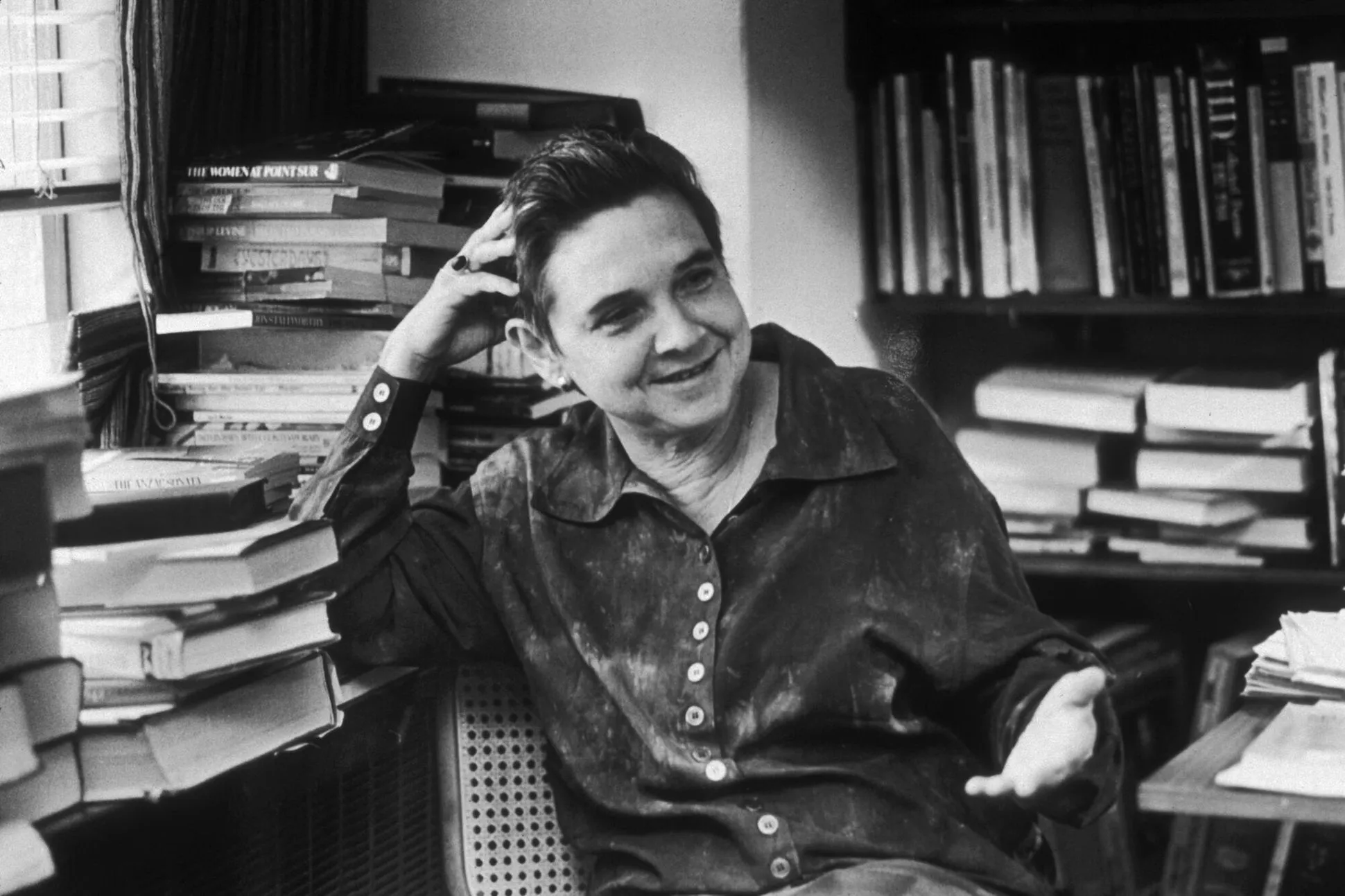
The second wave of feminism during the 1960s and 1970s saw a feminist poetry boom. Women openly expressed personal and political issues using poems during this time. Poets broke with traditional rules and provided space to express their voices.
- Confessional Poetry: Sylvia Plath and Anne Sexton expressed raw feelings regarding motherhood, psychological conditions, and societal constraints in their confessional poems. Plath’s poetry, such as “The Applicant,” challenged marriage and gender roles.
- Muriel Rukeyser’s Impact: Muriel Rukeyser wrote of the body and sexuality openly, inspiring subsequent poets and contributing to anti-war causes, expressing the power of poetry on feminist thought.
Key Figures in Feminist Poetry
- Adrienne Rich’s Contributions: Adrienne Rich emerged as a focal point, applying intense consideration to poetry in feminist circles. Her “Diving into the Wreck” examines concealed reality about gender and power. Rich gave away awards to raise up other voices of women and assaulted the way language as a whole may oppress.
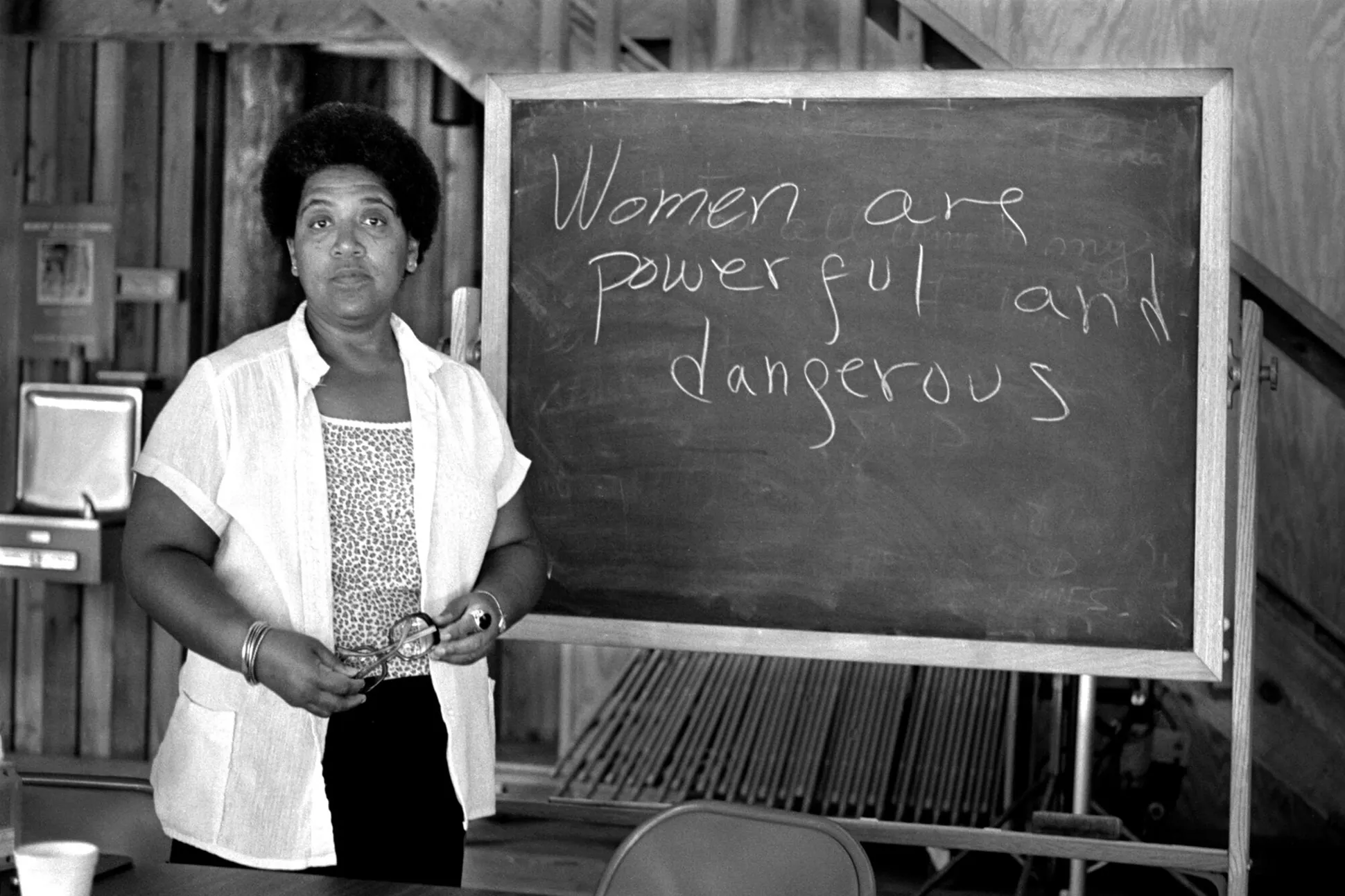
- Audre Lorde’s Advocacy: Audre Lorde, a Black lesbian poet, combated racism, sexism, and homophobia. Her poem “Power” condemns police brutality against Black individuals, demonstrating how feminist poetry in social justice can be used to demand change. Lorde viewed feminist poetry as not a luxury but as an essential means for women of color to resist and survive.
Third Wave and Beyond: Inclusive Feminist Poetry
In the third wave and later, feminist poetry became more diverse, speaking to intersectionality—how race, class, sexuality, and so on intersect in oppression.
- Maya Angelou’s Empowerment: Maya Angelou’s writing, such as “Phenomenal Woman,” praises Black women’s beauty and strength, and inspires activists throughout the world.
- Gwendolyn Brooks’ Narratives: Gwendolyn Brooks wrote about mundane Black existence, with poems such as “Sadie and Maud” illustrating decisions women make.
- Judy Grahn’s Reflections: Poets such as Judy Grahn wrote poems that depicted the women’s movement, using humor and anger in challenge to norms, affirming the position of poetry within feminist movements.
The Broader Role of Poetry in Feminist Movements
Also Read: Barjeel Art Foundation Launches Virtual Gallery In Honor Of Women’s History Month
The work of poetry within feminist movements is not just words on paper. It educates, brings people together, and ignites action. During the 1960s, women’s groups used poetry readings as a way of community building and sharing stories. Feminist poetry resists men-biased language and forges new modes of articulating women’s reality.
- Breaking Cultural Barriers: Feminist poets typically combine theory and practice, demystifying art and rendering high and low culture indistinguishable.
- Poetry in Protests: For instance, while protesting, poems are chanted or used as signs and transform individual pain into collective empowerment, an essential feature of feminist poetry in social justice.
Modern Feminist Poetry and Technology
Now, feminist poetry keeps pace with technology and the issues of the world.
- Spoken Word and Social Media: Spoken word poets such as Sarah Kay and Rupi Kaur speak to millions on social media, broaching subjects of body image, abuse, and empowerment. Young feminists can self-publish their zines online and share their verses rapidly.
- Global Courage: Women poets in countries such as Afghanistan or Iran take life risks speaking out against oppression, demonstrating the continued courage of feminist poetry.
- Women’s March 2017: The 2017 Women’s March had poets reading pieces that resonated with earlier struggles, demonstrating the power of poetry on feminist belief continues to rally people.
Preserving Culture and History Through Feminist Poetry
Feminist poetry also maintains culture and history.
- Indigenous Voices: Traditional stories are emphasized by indigenous women poets, and they protest colonialism, furthering the historical function of women poets in feminism.
- Educational Impact: Through these studies, individuals acquire a clearer perspective on women’s strife throughout history. Feminist poetry educates empathy and prompts future generations to challenge inequality.
Conclusion: The Lasting Impact of Feminist Poetry
In summary, feminist poetry has been central to feminist movements, providing a platform for resistance and hope. From Sappho’s old verses to present-day viral poems, it empowers women to rewrite their narratives. As times change, feminist poets continue to evolve, ensuring their words move people towards equality for everyone. This continued role of poetry in feminist movements demonstrates the power of art to produce actual change.


