





The Fight For Leadership Positions And Women Representation In Sports


The sports industry is a world where men have traditionally dominated. However, women are fighting hard to claim their space. As coaching staff, play-calling representatives in the form of female referees, or organization managers in administrative roles, women encounter massive roadblocks. However, it is their struggle for greater representation that is bringing change in the sports world. This article will provide insight into the history, present scenario, challenges, success stories, and attempts towards greater equality.
An Overview Of How Everything Began
Historically speaking, women had more representation in their respective sporting leagues. Prior to 1972, when schools in the US had to provide girls and boys equal opportunities to participate in sports due to Title IX, women constituted over 90% of college women’s sporting teams’ staff. This was largely a volunteer effort. With more money allocated to these sporting efforts and more opportunities to earn a living, men took over these roles. Today, only 42% of these roles on average are now filled by women.
Refereeing tells a similar story. Sports like football and basketball were seen as “men’s work,” with few women allowed in. Early pioneers faced doubt and exclusion. In administration, boards and top jobs were mostly male, with decisions made without women’s input. This lack of diversity meant policies often ignored issues like family needs or safety for female athletes. Sports administrators women have worked to change this over time, but progress has been slow.
Where Things Stand Today
Progress is slow, but numbers are improving in some areas. In US college sports, women make up about 47.7% of head coaches for women’s teams in 2024-25, up 5.5% since 2012. Yet, in youth sports, only 28% of coaches are women. At the elite level, it’s worse: just 13% of coaches at the 2024 Paris Olympics were women. In pro leagues like the NWSL, women’s coaching hit a low of 14.3% in 2025.
Also Read: Benefits Of Health, Confidence, And Empowerment For Women Involved In Athletics
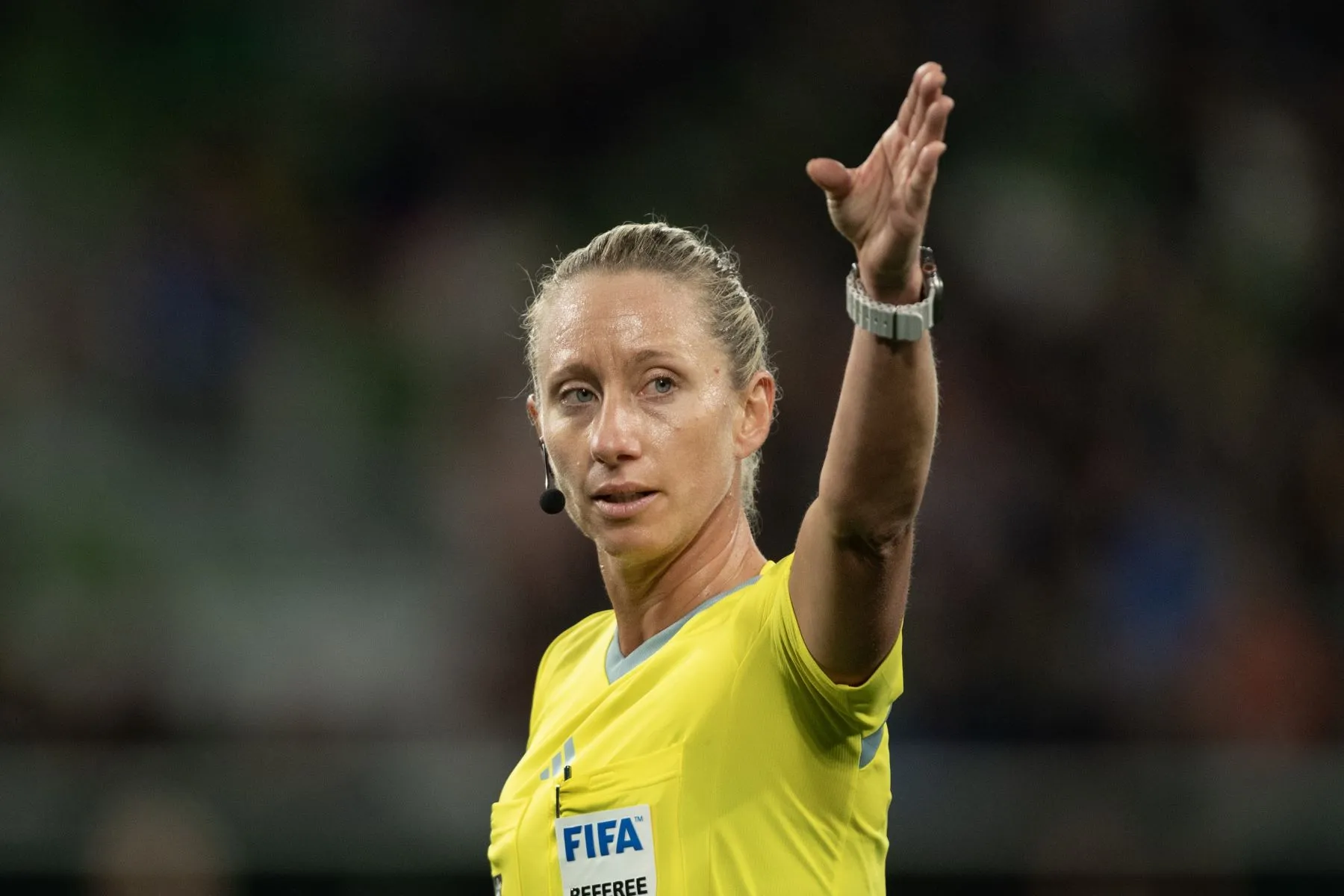
For referees, women are rare in major men’s sports. In soccer, only 7% of coaches worldwide are women, and refereeing faces similar gaps. Many women officials report sexist abuse and slower promotions than men. In administration, women hold about 22% of NCAA athletic director roles, up 23% in the last decade. Globally, less than 27% of executive spots in international sports groups are filled by women. These stats show women are underrepresented, especially at the top. Sports administrators women continue to push for change in these areas.
The Tough Challenges Faced by Women in Sports Leadership
Women in these roles deal with deep-rooted biases. Coaches often face questions about their skills, with men preferred for high-pay jobs. Work-life balance is hard; many juggle family and travel, without support like childcare. In high-performance sports, the “glass ceiling” keeps women from top spots. Challenges for women coaches in leadership roles include limited mentorship, unequal opportunities, and biases that question their credibility. Barriers to women in sports leadership positions also involve stereotypes, discrimination, and male-dominated cultures that make advancement tough.
Challenges for Referees and Administrators
Also Read: Role Of Digital Media And Social Networking Sites For Visibility And Activism Among Female Athletes
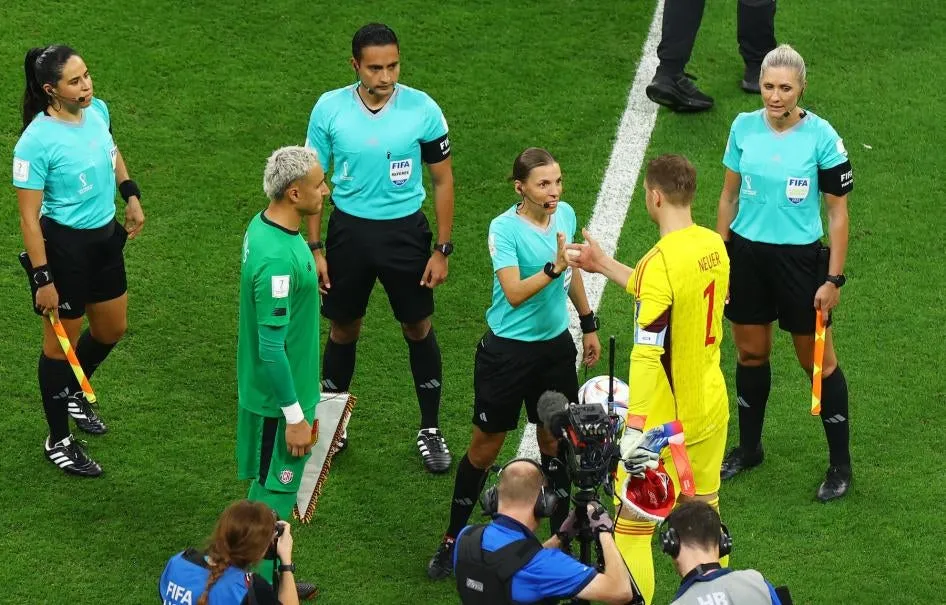
Referees endure abuse and threats. Studies show they hear sexist comments, like doubts about their authority or ties to traditional roles. One report notes women officials face “extreme and threatening behavior” from players, coaches, and fans. This hostility drives many away. Administrators battle similar issues: fewer chances for promotion and cultures that favor men. A 2025 study highlights how women in sports leadership face outdated views on who “belongs” in power. Overall, lack of funding, poor leadership, and sexism slow change. Barriers to women in sports leadership positions remain a key problem across coaching, refereeing, and administration.
Stories of Success and Inspiration
Despite the odds, some women break through. Becky Hammon became the first full-time female NBA assistant coach and now leads the Las Vegas Aces in the WNBA. In hockey, Jessica Campbell coaches in the NHL. Sarah Thomas made history as the first woman to referee a Super Bowl in 2021. Rebecca Welch was the first to ref a men’s English Premier League game.
In administration, leaders like Renie Anderson (NFL chief revenue officer) and Amy Howe (FanDuel boss) shape big deals. Emma Hayes, now USWNT coach, and Sarina Wiegman (England manager) rank among the best in women’s football. These women prove talent wins out, inspiring others to aim high. Women breaking into sports administration roles like these show what is possible with determination and support.
Steps Toward Equality and Inclusion
Also Read: The Evolution Of Women In Sports And The Way Ahead
Groups are stepping up. The IOC’s WISH program trains 120 female coaches for top levels. Women in Sport pushes for 50-50 gender balance on boards for funded organizations. The Tara VanDerveer Fund offers fellowships for women coaches. UN Women’s Sport for Generation Equality fights violence and boosts women’s roles.
In the US, the Women’s Sports Foundation runs Sports 4 Life to help girls in underserved areas. G100’s Sports Wing empowers women leaders globally. These efforts focus on training, policy changes, and building networks. Advocacy for more women sports leaders and refs grows stronger through these programs and others that promote inclusion and equal chances.
Looking Ahead: The Path to True Equality
The struggle for women in sports leadership is real, but gains are happening. More visibility, equal pay, and diverse boards can speed things up. When women lead, sports become fairer and stronger for everyone. The future depends on breaking old habits and supporting those who pave the way. With continued push, equality in coaching, refereeing, and administration could become the norm. Sports administrators women play a vital part in this future, as do all efforts to overcome barriers. Challenges for women coaches in leadership roles and barriers to women in sports leadership positions must be addressed head-on. Women breaking into sports administration roles and advocacy for more women sports leaders and refs will help drive real change. Sports administrators women deserve more spots at every level to make sports truly equal.